

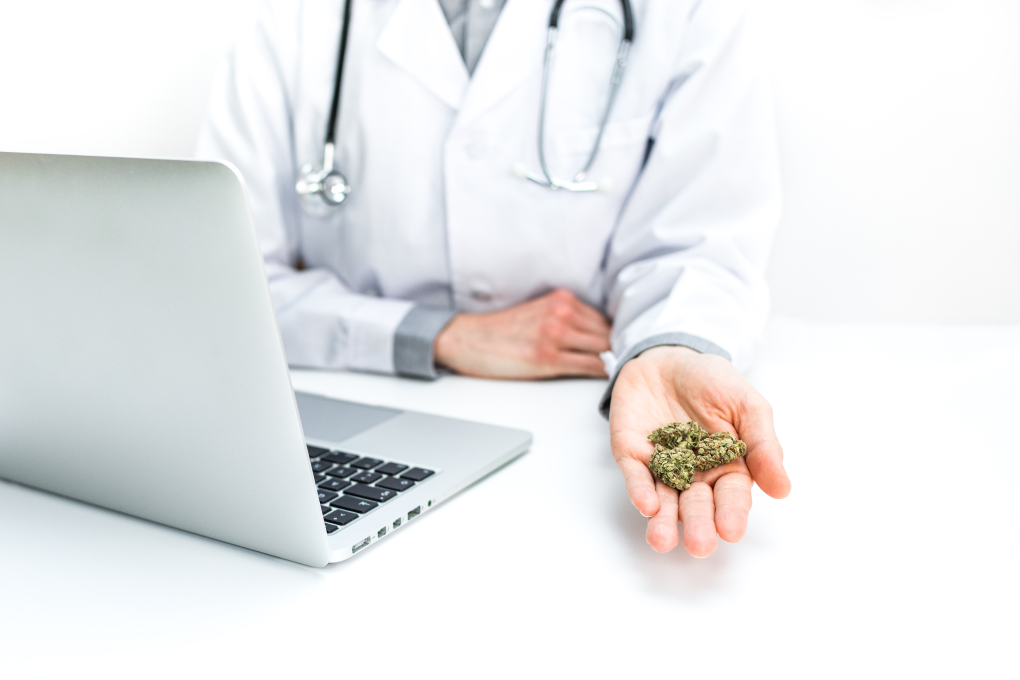
As cannabis laws continue evolving across the United States, one of the most common questions consumers ask is whether cannabis is becoming part of mainstream healthcare. Headlines often suggest progress, research is expanding, and state medical programs continue to grow. At the same time, confusion remains about what has actually changed—and what has not.
Understanding cannabis in the context of healthcare requires separating perception from structure. While cannabis is widely available through state-regulated programs, its role within the formal medical system is still limited by federal classification, regulatory frameworks, and research constraints. This article explains where cannabis stands today in healthcare, what is truly evolving, and what consumers should realistically expect.
Over the past two decades, many states have established medical cannabis programs that allow patients to access cannabis products under defined conditions. These programs typically require a healthcare provider's authorization and a state-issued registration or certification. Each state determines qualifying conditions, possession limits, and distribution rules.
Medical cannabis programs operate within state law, not federal law. This distinction is important. While states may permit medical use, cannabis remains federally classified as a controlled substance. As a result, medical programs function independently within state regulatory systems rather than as part of a unified national healthcare framework.
For patients, this means access is governed by local rules. Requirements vary, but the structure is consistent: patients must meet state criteria and obtain authorization before purchasing from licensed dispensaries.
One of the most frequently misunderstood aspects of cannabis in healthcare is the difference between a recommendation and a prescription. In traditional medicine, a prescription is issued for a substance that has been approved by the U.S. Food and Drug Administration (FDA) and is regulated at the federal level. Cannabis does not follow this pathway in most cases.
Healthcare providers in states with medical programs typically issue recommendations or certifications rather than prescriptions. This distinction exists because federal law does not recognize cannabis as a standard prescription medication. Providers may evaluate whether a patient meets state guidelines, but they are not prescribing cannabis in the same way they would prescribe FDA-approved drugs.
This difference affects how cannabis is integrated into healthcare systems and how it is regulated across jurisdictions.
The FDA is responsible for approving medications based on safety, efficacy, and controlled clinical trials. To date, only a limited number of cannabis-derived or cannabis-related products have received FDA approval. These include specific medications formulated with cannabinoids for defined medical conditions.
Most cannabis products sold in state-licensed dispensaries are not FDA-approved. They are regulated at the state level and must meet state-specific testing and labeling requirements. This distinction is critical for understanding the difference between federally approved medications and state-regulated cannabis products.
The FDA continues to evaluate cannabis-related compounds, but widespread approval of plant-based cannabis products has not occurred within the federal framework.
Another area of confusion involves insurance coverage. Many consumers assume that if cannabis is considered medical in some states, it may be covered by health insurance. In reality, insurance coverage for cannabis products is extremely limited.
Insurance providers typically cover medications that have undergone FDA approval and are recognized within federal healthcare systems. Because most cannabis products do not meet these criteria, they are not included in standard insurance formularies.
This means that patients accessing cannabis through state programs generally pay out of pocket. The lack of insurance coverage reflects regulatory structure rather than consumer demand.
Scientific research on cannabis has increased over time, particularly as public interest and state-level legalization have expanded. Universities, medical institutions, and research organizations continue studying cannabinoids and their potential applications.
However, research remains subject to regulatory constraints. Federal classification historically limited access to research materials and created additional approval requirements for studies involving cannabis. While some of these barriers are evolving, research is still developing compared to other areas of medicine.
For consumers, this means that while information is growing, comprehensive clinical data is still being established in many areas.
Despite increased availability, cannabis is not fully integrated into mainstream healthcare systems. Hospitals, clinics, and federal healthcare programs operate under federal regulations, which continue to influence how cannabis is treated within those environments.
Some healthcare providers may discuss cannabis use with patients, particularly in states where medical programs exist. However, formal integration into treatment plans, prescription systems, and insurance coverage remains limited.
This gradual pace reflects the complexity of aligning state policies with federal regulatory frameworks. Changes in classification or research access may influence future integration, but current systems remain distinct.
Public perception of cannabis has shifted significantly, with many viewing it as part of a broader wellness conversation. At the same time, clinical structure has not fully aligned with that perception. The gap between cultural acceptance and regulatory integration contributes to confusion.
Consumers may encounter messaging that suggests cannabis is widely accepted within healthcare, but the reality is more nuanced. State programs provide access under defined conditions, while federal systems maintain separate standards for approval and oversight.
Understanding this distinction helps clarify why cannabis can be both widely available and limited within formal healthcare contexts at the same time.
Several developments indicate gradual movement within the cannabis and healthcare conversation. These include expanded state programs, increased research activity, and ongoing policy discussions at the federal level. Public awareness and demand for information continue to grow.
Healthcare providers in some jurisdictions are becoming more familiar with cannabis-related discussions, and educational resources are expanding. These changes contribute to a more informed environment, even if formal integration remains limited.
While progress is incremental, it reflects a broader trend toward evaluating cannabis within structured frameworks rather than dismissing it outright.
Despite ongoing developments, several key aspects remain unchanged. Cannabis is not widely prescribed through federal healthcare systems, and most products available in dispensaries are not FDA-approved medications. Insurance coverage remains limited, and federal regulations continue to influence how cannabis is treated in clinical environments.
These realities define the current landscape. While policy discussions continue, the structure of healthcare integration remains largely consistent in the present moment.
Focusing on these practical points helps consumers navigate the current landscape without relying on assumptions.
The relationship between cannabis and healthcare is evolving, but it is doing so gradually. State programs have expanded access, research continues to develop, and public understanding is increasing. At the same time, federal regulatory structures and approval processes continue to shape how cannabis fits into the broader medical system.
Future changes may influence how cannabis is studied, regulated, and potentially integrated into healthcare frameworks. However, those changes will depend on policy decisions, scientific research, and regulatory alignment across multiple levels of government.
For now, the most accurate way to understand cannabis in healthcare is to view it as a developing area—one that exists between established medical systems and emerging regulatory models.
By separating perception from structure, consumers can approach the topic with clarity. Cannabis is part of the healthcare conversation, but it is not yet fully embedded within the system. Recognizing that distinction allows for more informed decisions and a better understanding of where things stand today.
(Sources: U.S. Food and Drug Administration | National Institutes of Health | National Conference of State Legislatures | Centers for Disease Control and Prevention | U.S. Department of Health and Human Services)

