

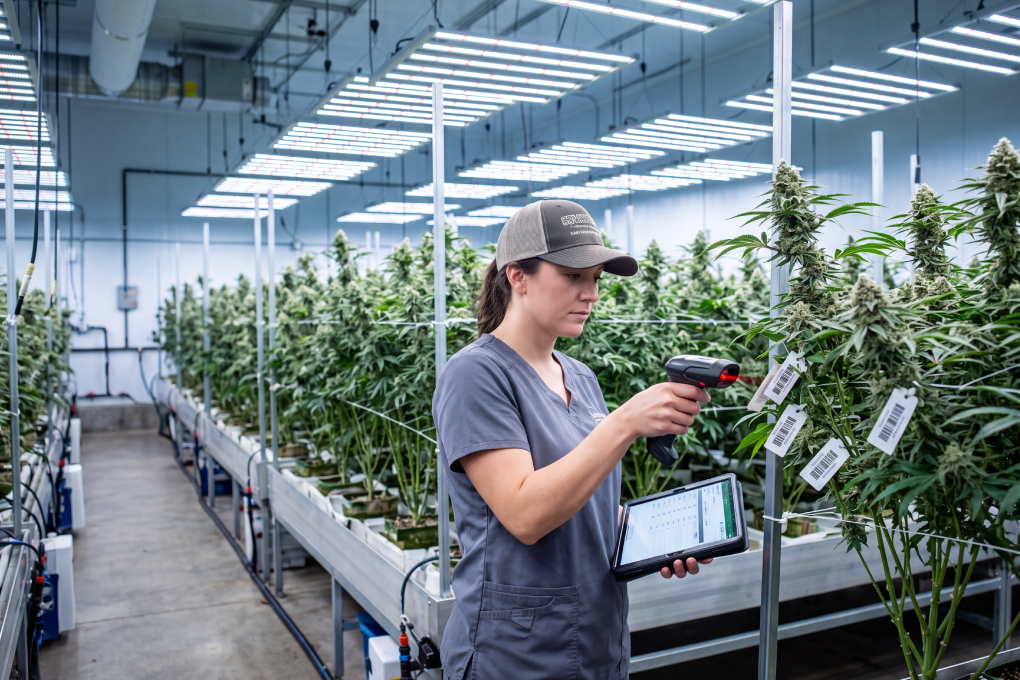
A cannabis product can look simple when it reaches a dispensary shelf: a sealed package, a label, a price, and a product description. Behind that package is a much longer journey. In regulated markets, cannabis can move through cultivation, harvest, processing, laboratory testing, packaging, transfer, retail inventory, and final sale, with records created throughout the process.
This concept is often called seed-to-sale tracking. The exact technology and legal requirements differ by state, and the phrase should not be interpreted as a single national system. The underlying goal is consistent, however: regulated cannabis should be accountable as it moves through the licensed supply chain.
For consumers, traceability helps explain why legal cannabis involves so much labeling, testing, inventory control, and documentation. For businesses, it is a major operational responsibility that connects everyday tasks to regulatory compliance.
Seed-to-sale tracking is the collection of inventory and transaction records across the regulated life of cannabis. Depending on the jurisdiction, plants, harvest batches, production lots, packages, transfers, and retail transactions can receive identifiers that allow regulators and licensees to follow inventory through the system.
It is not the same as placing a GPS tracker on every product. It is primarily a recordkeeping framework. Businesses report required events into an inventory system and maintain records that should correspond with the physical cannabis under their control.
The details matter because cannabis remains highly regulated. A state needs ways to determine where licensed inventory originated, where it moved, whether it was tested, and whether quantities reported by businesses make sense.
At the cultivation stage, operators maintain records about plants and production. State rules may require identifiers at particular stages of plant development and records for harvests, waste, transfers, and other inventory events.
This creates the beginning of the regulated chain. Instead of harvested flower appearing at a processor or retailer without a documented origin, inventory can be associated with the licensed operation that produced it.
Tracking also helps businesses manage their own operations. Cultivators need to understand yields, losses, harvest timing, available inventory, and what material is destined for flower versus processing. Compliance data and operational data often overlap.
When plants are harvested, the physical form of the inventory changes. The material may be weighed, grouped into batches, dried, trimmed, tested, processed, or prepared for transfer. A tracking system needs to account for those transformations.
Weight changes are especially important because freshly harvested plant material contains substantial moisture. Drying naturally reduces weight. Trimming creates waste and usable material. Processing can turn plant material into extracts or infused products. A credible inventory record therefore cannot assume that one pound entering every stage must produce one pound leaving it.
Licensed operators document these events so expected changes are distinguishable from unexplained losses.
Processors may convert cannabis into concentrates, edible products, beverages, vaporization products, topicals, or other permitted forms. That can involve combining input material, dividing batches, adding non-cannabis ingredients, and creating multiple finished packages.
Traceability allows the finished product to remain connected to its regulated inputs. If a production problem is later discovered, businesses and regulators need enough information to identify which lots may be affected rather than treating every product from a company as identical.
This is similar in principle to lot tracking in food, pharmaceuticals, and other regulated industries, although cannabis programs establish their own specific requirements.
Testing is most useful when a result can be connected to the actual batch represented by the sample. Regulated programs establish rules for sampling, laboratories, required analyses, and the disposition of products that do not meet applicable standards.
A Certificate of Analysis may contain cannabinoid results and results for contaminants or other required analytes. The exact testing panel varies by jurisdiction. Tracking identifiers help connect laboratory results with the batch or lot that moves forward in the supply chain.
This connection is one reason consumers should avoid thinking of a laboratory result as a universal statement about an entire strain or brand. Testing generally represents identified inventory, not every product that has ever carried the same name.
Once cannabis is packaged for sale, labels and package identifiers help carry information forward. Ohio's rules, for example, require specified plant-material labels to include the state inventory tracking number associated with the batch submitted for required testing, along with other cultivation, testing, cannabinoid, terpene, and warning information.
That does not mean consumers need to memorize tracking numbers. It means the package can retain a documented relationship to earlier stages of production.
Packaging also makes inventory countable in retail units. A bulk quantity can become individual packages, each of which must be accounted for as it moves into retail inventory and eventually leaves through a lawful sale or another permitted disposition.
Cannabis frequently moves between licensed entities. A cultivator may transfer material to a processor or dispensary. A processor may transfer finished products to retailers. Each movement creates an opportunity for inventory to become inaccurate if sending and receiving records do not match.
Transfer documentation helps establish what left one licensee and what another received. Ohio dispensaries, for example, must inspect deliveries and ensure the shipment conforms with the transfer manifest and applicable packaging and labeling requirements before accepting it.
If the physical shipment does not match the documentation, the discrepancy is not merely a warehouse inconvenience. It can be a compliance issue requiring correction or rejection.
When cannabis reaches a dispensary, tracking does not stop. Retailers maintain procedures for receipt, storage, tracking, and distribution. Physical inventory must correspond with records, and products need to remain properly secured.
A modern dispensary may use a point-of-sale system that communicates with or supports required state reporting. Employees still need accurate receiving, adjustment, return, destruction, and sales procedures because software cannot correct careless physical handling by itself.
Inventory accuracy also affects the customer experience. An online menu that shows a product as available when the last unit was already sold is frustrating. Good compliance practices can therefore support better retail operations as well as regulatory accountability.
At retail, a lawful transaction removes product from dispensary inventory and creates the required sales record. States can impose age requirements, purchase limits, medical-patient rules, taxes, and other transaction controls.
Ohio adult-use dispensaries, for example, must verify that an adult-use consumer is at least twenty-one before a sale and must comply with daily purchase limits established by rule. The sale is therefore not simply a cash-register event. It is another regulated inventory event.
The consumer does not become part of a public product-tracking database simply because a package was sold. Privacy rules and program structures vary, and responsible explanations should distinguish inventory accountability from assumptions about consumer surveillance.
One of the clearest benefits of traceability appears when something goes wrong. If a laboratory issue, contamination concern, packaging error, or production problem affects a specific lot, accurate records can help identify where affected inventory went.
Without lot and transfer records, a business might struggle to determine which retailers received the product or which inventory remains unsold. With accurate records, the response can be more targeted.
Traceability cannot prevent every quality problem. It makes the supply chain more accountable when a problem must be investigated or contained.
Regulated cannabis is intended to remain inside authorized channels until it is lawfully sold or otherwise disposed of. Inventory controls help regulators identify unexplained discrepancies that could indicate theft, loss, reporting errors, or diversion.
That does not mean every discrepancy represents wrongdoing. Data-entry mistakes, damaged packages, moisture changes, or incorrect conversions can create legitimate reconciliation problems. This is why businesses need procedures for documenting adjustments rather than simply changing numbers until they match.
A strong system combines technology with trained people, physical controls, and regular reconciliation.
Traceability is important, but consumers should not treat it as a guarantee that every regulated product is perfect. Systems depend on accurate data, proper sampling, compliant businesses, functioning technology, and effective oversight.
A tracking number does not tell a consumer whether they will enjoy a product. It does not replace responsible dosing, secure storage, or personal awareness of impairment. It also does not make cannabis regulation identical across states.
What it does provide is an accountability structure that is largely absent when products move through unregulated channels.
Consumers may never see most of the underlying records, but those records help create the regulated marketplace in which they shop.
Seed-to-sale platforms can automate calculations, generate manifests, synchronize sales, and flag inconsistencies, but the underlying information still begins with people performing physical work. Someone weighs a harvest, receives a shipment, creates a package, records waste, or completes a sale.
If an employee selects the wrong package identifier or enters an incorrect quantity, software may faithfully preserve bad data. Businesses therefore use training, permissions, audits, reconciliations, and standard operating procedures alongside technology.
This is an important lesson for consumers who hear that cannabis is tracked electronically. Digital records can improve accountability, but trustworthy systems require accurate inputs and meaningful oversight.
Seed-to-sale tracking is easy to overlook because most of it happens behind the scenes. A shopper sees a menu and a package. The industry sees plants, batches, test samples, manifests, packages, transfers, reconciliations, and transaction records.
That invisible system is one of the major differences between a regulated cannabis supply chain and an informal one. It creates documentation that can support testing, recalls, inventory control, and regulatory oversight.
As legal markets continue to mature, the technology will change, but the basic principle is likely to remain important: if cannabis is going to be regulated as a legitimate commercial product, businesses and regulators need to know where regulated inventory came from, where it went, and what happened to it along the way.
(Sources: Ohio Division of Cannabis Control | Ohio Administrative Code | Ohio Revised Code)

