

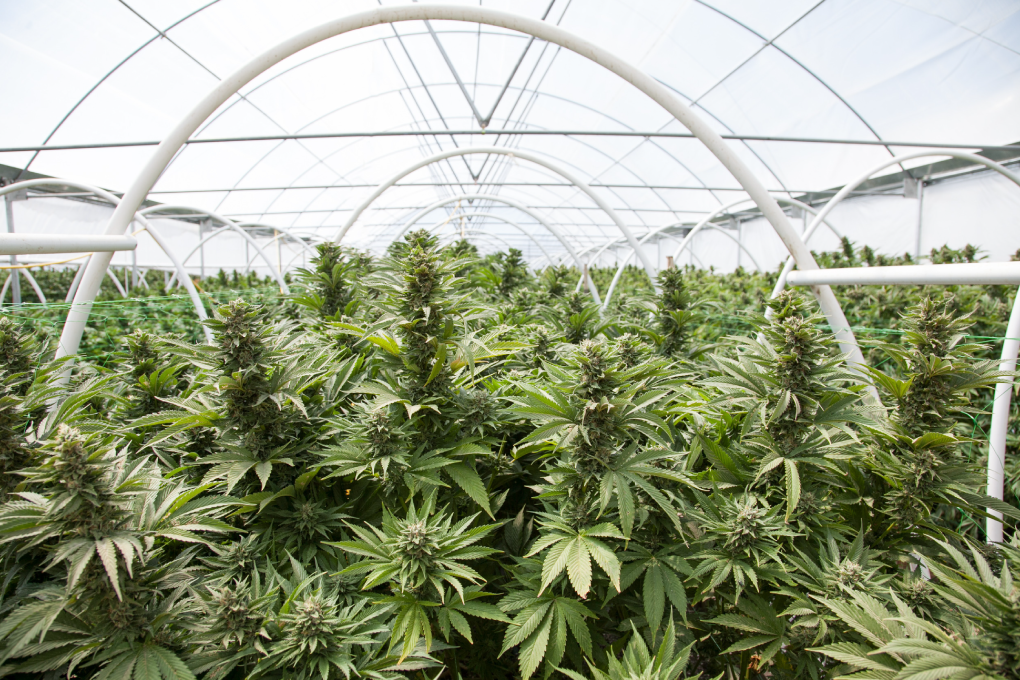
A modern cannabis cultivation facility looks less like an informal grow room and more like a combination of greenhouse agriculture, controlled-environment farming, manufacturing, and regulated inventory management. Behind every packaged flower product is a long chain of decisions involving genetics, lighting, irrigation, temperature, humidity, sanitation, pest prevention, harvest timing, drying, testing, and documentation.
Consumers usually see only the finished product. They may not realize how many people, systems, and checkpoints are involved before that product reaches a licensed retailer. Cultivation teams must care for a living crop while meeting state rules, protecting worker safety, controlling contamination risks, and maintaining records that allow plants and products to be tracked.
Facilities vary widely. Some producers cultivate indoors under electric lighting. Others use greenhouses that combine sunlight with environmental controls. Outdoor cultivation remains important in suitable climates and regulatory environments. This article focuses mainly on controlled indoor and greenhouse operations because they reveal how technology and agriculture work together in the modern cannabis industry.
Before plants enter a commercial facility, the operator must secure required state and local approvals. Regulations differ by jurisdiction, but licensed cannabis cultivation commonly involves security plans, restricted access, inventory tracking, testing, waste procedures, and recordkeeping.
Facility design must support both plant health and compliance. Grow rooms are often separated by production stage. There may be dedicated spaces for propagation, vegetative growth, flowering, drying, trimming, packaging, storage, and quarantine. Separation can help operators manage environmental conditions and reduce the movement of pests or pathogens.
Mechanical systems are central to the design. Lighting, heating, cooling, dehumidification, ventilation, irrigation, and water treatment all need sufficient capacity. Redundancy and alarms matter because equipment failure can quickly affect a crop.
Cultivation begins with genetics. Producers may work from seeds, clones, or tissue culture, depending on their goals and resources. Each method has benefits and challenges. Seeds can create genetic variation. Clones can reproduce selected traits more consistently but may also carry pests or pathogens if sanitation is weak. Tissue culture can support clean plant material and genetic preservation but requires specialized equipment and expertise.
Propagation areas are designed for young plants. Staff monitor moisture, temperature, humidity, root development, and plant health. Small problems at this stage can affect the entire production cycle, so cleanliness and observation are essential.
Licensed tracking often begins early. Plants may receive unique identifiers so regulators and businesses can follow them through cultivation, harvest, processing, testing, and sale.
During vegetative growth, plants develop roots, stems, and leaves. Cultivators manage light schedules, irrigation, nutrition, airflow, and plant spacing. Training and pruning techniques may be used to shape the canopy and improve light distribution.
The goal is not simply rapid growth. Uniform structure can make later flowering rooms easier to manage. Healthy plants with balanced growth are better prepared for the demands of flowering.
Staff inspect plants for discoloration, wilting, nutrient issues, insects, and disease symptoms. Data from environmental sensors can help identify changes, but experienced human observation remains important.
The flowering stage is where cannabis plants develop the inflorescences harvested for many consumer products. Indoor facilities use programmed light and dark periods to guide photoperiod-sensitive plants. Greenhouses may use supplemental lighting or blackout systems to manage timing.
Temperature and humidity must be controlled carefully. Dense flowers can create microclimates where moisture accumulates, increasing the risk of mold. Air movement helps reduce stagnant areas, while dehumidification removes water released through plant transpiration.
Controlled-environment agriculture gives growers the ability to manage light, temperature, wind, and precipitation. That control can support consistent production, but it also requires substantial infrastructure, energy, maintenance, and technical knowledge.
Indoor cannabis cultivation depends on electric lighting. Facilities may use light-emitting diodes or other horticultural fixtures. Growers consider intensity, spectrum, uniformity, distance from the canopy, heat output, energy use, and daily light exposure.
More light is not automatically better. Plants can only use light effectively when water, nutrients, carbon dioxide, temperature, and other conditions are properly balanced. Excessive intensity can stress plants or waste energy.
Lighting design also influences building systems. Fixtures produce heat, and that heat affects cooling and dehumidification loads. Modern facilities increasingly evaluate lighting and HVAC as connected systems rather than separate purchases.
Cannabis can be grown in soil, soilless substrates, hydroponic systems, or other media. Irrigation strategies depend on the system. Commercial facilities may use automated drip lines, reservoirs, pumps, filters, and sensors to deliver water and nutrients consistently.
Growers monitor factors such as water quality, pH, electrical conductivity, runoff, substrate moisture, and plant response. Automation can improve repeatability, but equipment must be calibrated and inspected. A blocked emitter or failed pump can create uneven growth quickly.
Water management also has environmental and financial implications. Facilities may explore recirculation, condensate capture, and efficient irrigation, but any reuse strategy must be designed to manage salts, pathogens, and regulatory requirements.
Pest management in a regulated cultivation facility should not depend on reacting only after an outbreak becomes severe. Integrated pest management combines prevention, monitoring, sanitation, biological controls, cultural practices, and permitted treatments.
Workers may inspect sticky cards, scout leaves, document findings, and establish thresholds for action. Beneficial insects can be used against certain pests. Cleaning tools, controlling employee movement, quarantining incoming plant material, and removing plant debris can reduce risk.
Pesticide rules for cannabis are especially important because products may be inhaled or ingested and because federal pesticide registration does not function the same way as it does for conventional federally legal crops. Operators must follow the rules of their jurisdiction and understand the testing requirements applied to finished products.
Cleanliness affects plant health, worker safety, and product quality. Facilities create procedures for cleaning rooms, tools, irrigation components, work surfaces, containers, and protective equipment. Footwear controls, handwashing, clothing requirements, and restricted movement between rooms may be used to limit contamination.
Indoor air quality also requires attention. Facilities manage humidity, plant debris, dust, microbial risks, and volatile compounds. Ventilation and filtration systems must be maintained, and workers need appropriate training and protective equipment for their tasks.
A clean-looking room is not enough. Effective sanitation depends on written procedures, suitable products, proper contact times, employee training, documentation, and verification.
Modern facilities collect large amounts of data. Environmental sensors record temperature, humidity, carbon dioxide, light, and sometimes substrate conditions. Irrigation systems log volumes and timing. Inventory systems track plant movement and harvest weights. Laboratory results provide chemical and contaminant data.
The value comes from connecting those records. A cultivator can compare environmental conditions with yield, quality, pest pressure, or testing outcomes. Patterns can identify which rooms, genetics, or procedures perform consistently.
Data does not replace skilled employees. Sensors can fail, and numbers require interpretation. The strongest operations combine technology with frequent observation and documented decision-making.
Harvest timing affects yield, cannabinoid composition, aroma, and operational scheduling. Cultivators evaluate plant maturity using several indicators rather than relying only on a calendar date.
Once harvesting begins, teams cut plants or branches, remove material, and transfer the crop into controlled postharvest spaces. Tools and surfaces must be clean, and harvested material must be handled carefully to limit contamination and physical damage.
The harvest process must also remain connected to inventory records. Weights, plant identifiers, waste, and storage locations may need to be documented under state rules.
Drying is one of the most consequential stages in cannabis production. The goal is to reduce moisture under controlled conditions while preserving desired quality and limiting microbial growth. Temperature, relative humidity, airflow, room loading, and time all influence the process.
Drying too quickly may reduce aromatic quality or create uneven moisture. Drying too slowly or under overly humid conditions can increase microbial risk. Facilities therefore monitor rooms and adjust equipment as water leaves the crop.
Curing and storage practices vary, but the overall purpose is to stabilize the product and preserve quality before packaging. Scientific reviews have noted that inconsistent postharvest operations can contribute to inconsistent final products. This is why professional cultivation does not end when the plant is cut.
After drying, flower may be trimmed by hand, machine, or a combination of methods. Teams sort material by intended use and inspect for defects. Flower selected for retail packaging is weighed and placed into compliant containers. Other material may be directed to extraction or manufacturing where permitted.
Packaging must meet state requirements for child resistance, labeling, warnings, and traceability. It must also protect the product from crushing, moisture changes, oxygen, and light as appropriate.
Quality-control staff verify weights, labels, lot numbers, and package integrity before finished goods move into storage.
Regulated markets require specified testing before products can be sold, although panels and limits vary by state. Laboratories may measure cannabinoids and screen for pesticides, heavy metals, microbial contaminants, mycotoxins, moisture, water activity, or other analytes.
The National Institute of Standards and Technology has developed cannabis quality-assurance programs because accurate measurements are essential for labeling, compliance, and consumer confidence. Sampling and laboratory variability remain important considerations.
A passing result does not mean every production decision was perfect, but testing provides an independent checkpoint and can reveal problems that are not visible during cultivation.
Technology receives attention, but cultivation facilities rely on teams. Roles can include cultivators, irrigation technicians, integrated pest-management specialists, environmental technicians, harvest staff, trimmers, compliance employees, quality-assurance personnel, maintenance workers, inventory managers, and facility leaders.
Training and communication are essential because changes in one department affect others. A maintenance shutdown can alter environmental conditions. A propagation problem can disrupt future harvest schedules. Incorrect data entry can create compliance issues.
Professional cultivation is therefore both agricultural and organizational. Consistent results depend on people following clear procedures and reporting problems quickly.
A modern cultivation facility shows why cannabis quality is more complicated than potency. The final product reflects genetics, plant health, environmental management, pest prevention, sanitation, harvest timing, drying, storage, testing, and packaging.
Consumers can look for licensed sources, batch information, testing records, dates, and transparent producers. They should be cautious of brands that make grand claims without explaining how quality is measured or maintained.
Businesses that open parts of their process to education can build trust without revealing proprietary details. Explaining cultivation and quality-control practices helps consumers understand the value behind the product.
Inside a modern cannabis cultivation facility, every room serves a purpose and every stage affects the next. Plants are not simply placed under lights and left to grow. They are monitored within a regulated production system supported by mechanical equipment, data, skilled labor, sanitation, and documentation.
Controlled environments can improve consistency, but they do not make cultivation easy. They create new responsibilities involving energy, water, air, equipment, worker safety, and compliance. Success depends on balancing plant biology with operational discipline.
Understanding this process gives consumers a clearer picture of what they are purchasing and gives businesses a reason to compete on more than THC percentage. Modern cannabis cultivation is agriculture supported by science, technology, and quality systems, and the finished product carries the history of every decision made along the way.
(Sources: U.S. Department of Agriculture | National Institute of Food and Agriculture | National Institute of Standards and Technology | National Library of Medicine | U.S. Environmental Protection Agency)

