

Walk into a licensed dispensary today and you will notice something that did not exist in cannabis markets decades ago: detailed product labels, laboratory testing information, batch numbers, and regulatory symbols printed directly on packaging. For many consumers, this information can feel overwhelming. Percentages, milligrams, terpene profiles, and QR codes linked to laboratory reports are now common features of regulated cannabis products. But what does all of it actually mean?
Understanding what is in your cannabis begins with understanding how regulated markets operate. In legal states, cannabis products are subject to state-mandated testing and labeling requirements designed to protect consumers and promote transparency. These systems were built to replace unregulated markets where product composition, potency, and safety were largely unknown. In this article, we break down how cannabis testing works, how to read labels accurately, and why transparency is central to a safer consumer experience.
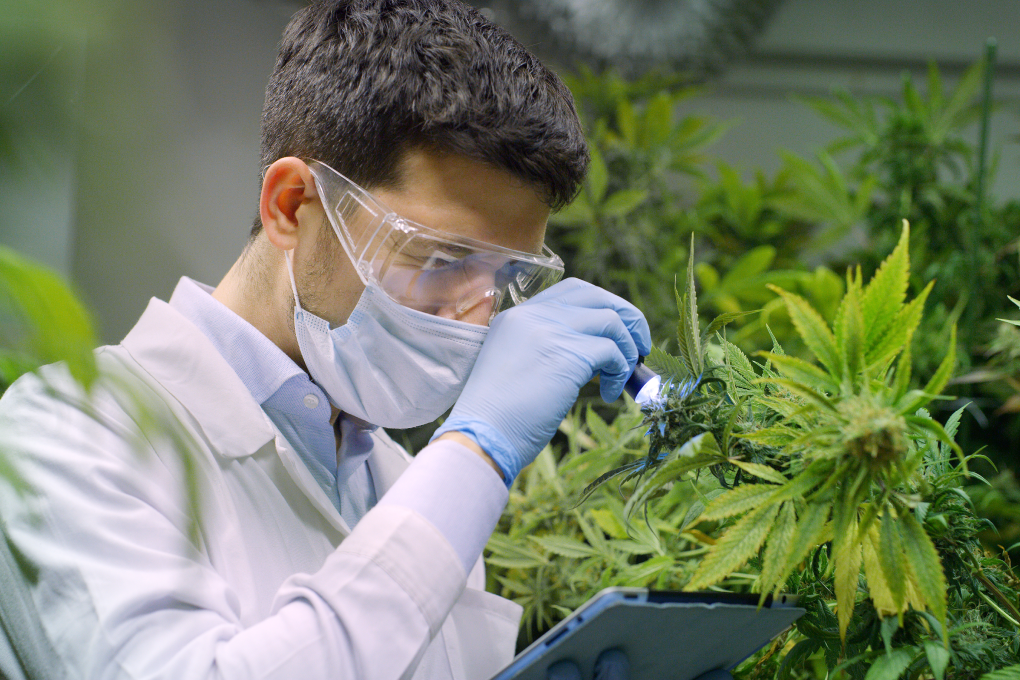
State cannabis programs typically require licensed producers to submit products to independent laboratories before they reach retail shelves. These laboratories test samples for potency and screen for contaminants such as pesticides, heavy metals, residual solvents, and microbial impurities. While specific thresholds vary by jurisdiction, the underlying goal remains consistent: ensure that products meet safety standards before they are sold to consumers.
Testing requirements were introduced to address public health concerns. Cannabis plants can absorb contaminants from soil or water, and manufacturing processes may introduce additional risks if not properly monitored. Laboratory oversight provides a layer of accountability that helps prevent contaminated or inaccurately labeled products from entering the legal marketplace.
A Certificate of Analysis, often referred to as a COA, is a laboratory report summarizing test results for a specific batch of cannabis product. COAs are typically generated by state-licensed or accredited testing laboratories and may be accessible through a QR code printed on the product packaging or available upon request from the retailer.
A standard COA includes information such as:
COAs allow consumers to verify that the product in hand corresponds to tested results, reinforcing transparency between producer and purchaser.
One of the most prominent elements on cannabis packaging is potency information. For flower products, labels typically display THC and CBD percentages by weight. For edibles, tinctures, or concentrates, labels often list total milligrams of THC and CBD per package and per serving.
THC (tetrahydrocannabinol) is the primary psychoactive compound in cannabis. CBD (cannabidiol) is non-intoxicating and has been studied for various potential therapeutic applications. Labels may also list minor cannabinoids such as CBG or CBN if present in measurable quantities.
Consumers should pay close attention to serving size. For example, an edible package may contain 100 milligrams of THC total but be divided into ten servings of 10 milligrams each. Understanding per-serving dosing is essential to responsible consumption and helps prevent accidental overuse.
Some products include terpene profiles on their labels or COAs. Terpenes are aromatic compounds naturally present in cannabis and many other plants. They contribute to scent and flavor and may influence how consumers subjectively experience different products. While research into terpene interactions is ongoing, regulated labeling allows consumers to make informed decisions based on documented composition rather than marketing descriptions alone.
Not all states require terpene reporting, but when available, these details enhance transparency and product differentiation.
Beyond potency, laboratory testing focuses heavily on safety. Common contaminant screenings include:
If a product fails testing, it cannot legally be sold in regulated markets until it meets compliance standards. This system significantly reduces the risk of unsafe products reaching consumers.
Licensed cannabis systems often use seed-to-sale tracking platforms that assign unique identifiers to each batch of product. These identifiers appear on packaging and connect back to cultivation, processing, and laboratory records. Traceability enables regulators to conduct recalls if necessary and ensures accountability throughout the supply chain.
For consumers, batch numbers provide assurance that the product has been documented within a regulated system rather than produced informally.
State regulations frequently require child-resistant packaging and standardized warning symbols. These measures aim to reduce accidental ingestion and clearly communicate psychoactive content. Edibles commonly include universal THC symbols printed directly on individual servings in addition to outer packaging.
Warning labels may advise against use during pregnancy, caution about impairment, and remind consumers to keep products out of reach of children. While some may view these as routine disclaimers, they represent structured efforts to prioritize public safety.
Transparency builds trust. In unregulated markets, consumers had limited ability to verify product strength or purity. Regulated testing frameworks create documented accountability. When consumers can access laboratory results, confirm potency, and review ingredient lists, they gain confidence in what they are purchasing.
Transparency also supports consistency. Accurate labeling enables consumers to make repeat purchases based on measurable criteria rather than guesswork. Over time, this predictability strengthens market stability and consumer loyalty.
Some consumers assume that higher THC percentages automatically mean better quality. In reality, product quality depends on multiple factors including cultivation practices, curing methods, and overall chemical composition. Potency alone does not determine experience.
Another misunderstanding involves rounding. Laboratory results may display potency ranges or values rounded to specific decimal points in accordance with state reporting standards. Minor variations between batches are normal and reflect natural plant variability.
Consumers should also recognize that laboratory testing measures specific compounds at a given moment. Storage conditions such as heat and light exposure can affect product stability over time, which is why expiration or “best by” dates are often included on packaging.
Taking a few moments to review label information can significantly improve safety and predictability.
State cannabis programs are built around oversight structures that include inspections, compliance audits, and enforcement mechanisms. Testing and labeling are not optional add-ons; they are foundational components of regulated markets. While standards vary by state, the emphasis on laboratory verification and transparent disclosure remains consistent nationwide.
As cannabis policy continues evolving, transparency remains a central pillar of public trust. Consumers benefit most when products are clearly labeled, independently tested, and traceable through documented supply chains.
Understanding labels and laboratory testing empowers consumers to navigate cannabis purchases confidently. Rather than relying solely on brand marketing or anecdotal descriptions, buyers can evaluate measurable data printed directly on packaging. This shift toward documented transparency represents one of the most meaningful advancements in modern cannabis regulation.
When consumers know what to look for and how to interpret it, the shopping experience becomes less confusing and more informed. In regulated markets, transparency is not just a compliance requirement—it is a foundation for safer, more reliable access to cannabis products.
(Sources: U.S. Food and Drug Administration | National Institute on Drug Abuse | U.S. Pharmacopeia | National Conference of State Legislatures | Centers for Disease Control and Prevention)

