

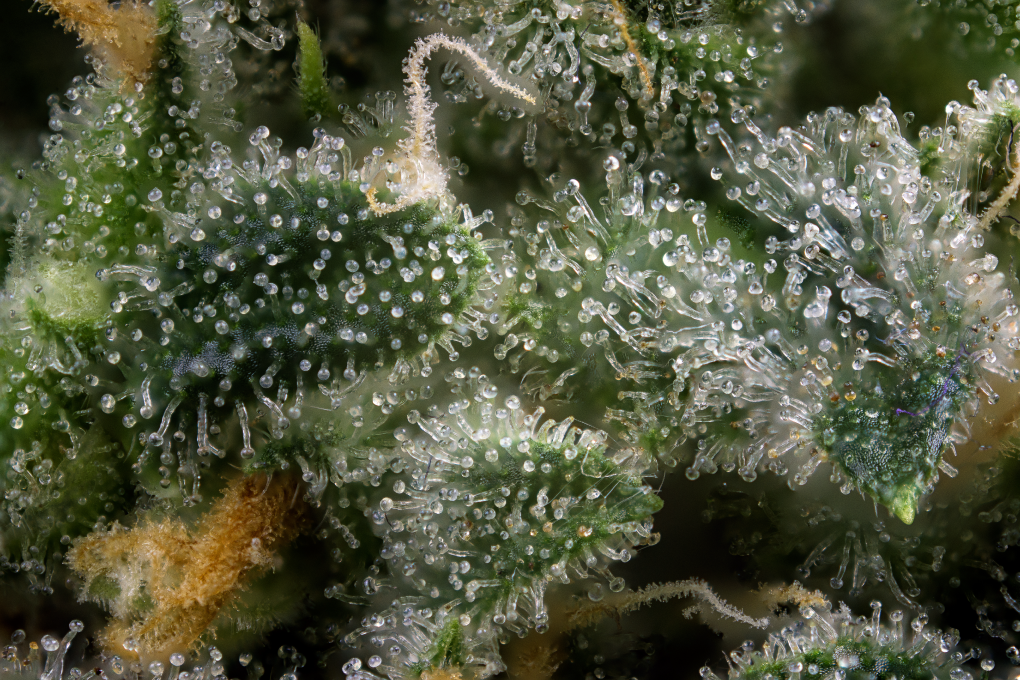
For years, THC percentage dominated many cannabis shopping conversations. Consumers often compared flower by one number, assuming the highest percentage represented the strongest value or the best possible experience. That approach was understandable when legal menus were smaller and product education was limited, but the marketplace has changed. More consumers are now looking beyond THC and paying attention to the aromatic compounds known as terpenes.
Terpenes are produced by many plants, not only cannabis. They contribute to familiar aromas found in citrus peels, pine needles, lavender, herbs, and countless flowers. Cannabis can produce a diverse mixture of these volatile compounds, and differences in that mixture help explain why one cultivar may smell bright and citrus-like while another may smell earthy, floral, fruity, woody, or fuel-like. Scientific reviews published in recent years have emphasized that cannabis aroma is created by a complicated chemical profile rather than a single compound.
The growing interest in terpenes reflects a more informed cannabis consumer. People want products that offer more than a large potency number. They want freshness, aroma, consistency, transparent testing, and a sensory experience that fits their preferences. Businesses have responded by placing terpene information on menus, packaging, laboratory reports, and product descriptions. This does not mean terpenes can predict exactly how a product will affect every person. It does mean consumers are starting to evaluate cannabis as a complex agricultural product instead of reducing quality to THC alone.
Terpenes are naturally occurring organic compounds that plants use for several biological functions. They can contribute to aroma, interact with insects, and play roles in plant defense and environmental response. In cannabis, terpene synthase enzymes help produce a wide variety of terpenes during plant development. The final aromatic profile can be influenced by genetics, cultivation conditions, harvest timing, drying, curing, storage, and processing.
Commonly discussed cannabis terpenes include myrcene, limonene, alpha-pinene, beta-caryophyllene, linalool, and terpinolene. These names also appear in other parts of the plant world. Limonene is associated with citrus aromas, pinene with pine-like aromas, and linalool with floral notes. However, consumers should not assume that a single terpene name tells the complete story of a cannabis product. Aroma usually comes from a combination of compounds, including terpenes and other volatile chemicals present in smaller amounts.
Recent sensory research has also shown that terpene profiles alone do not always predict how people describe cannabis aroma. Products with similar dominant terpenes may still smell noticeably different because minor compounds, concentration ratios, freshness, and postharvest handling matter. That is one reason responsible product education should avoid turning terpenes into oversimplified promises.
THC remains an important part of cannabis labeling because it helps describe potency and intoxication potential. Public-health agencies also warn that products with higher THC concentrations can produce stronger intoxicating effects and increase the risk of overconsumption. Consumers should pay attention to potency, particularly when they are inexperienced or trying a new product format.
Potency, however, is not the same thing as overall quality. A higher THC number does not confirm that flower was harvested at the right time, dried correctly, cured carefully, stored under suitable conditions, or preserved well enough to retain its aroma. It also does not tell the buyer whether the product will have a sensory profile they enjoy.
As consumers gain experience, many discover that two products with similar THC percentages can smell, taste, and feel different. Individual biology, tolerance, consumption method, dose, product freshness, cannabinoid composition, and many other variables influence the experience. That realization has encouraged consumers to examine a broader set of information rather than treating THC as a universal quality score.
Aroma is one of the first characteristics people notice when evaluating cannabis flower. Research on cannabis sensory quality has found that aroma can be a strong predictor of consumer appeal. A pronounced, recognizable aroma may suggest that volatile compounds were preserved, while a muted or stale aroma may reflect age, poor storage, excessive dryness, or other postharvest issues.
Aroma alone cannot prove that a product is safe, compliant, or suitable for a specific consumer. Laboratory testing and regulated sourcing remain essential. Still, aroma provides useful sensory information that a THC percentage cannot capture. Consumers who pay attention to aroma are often evaluating the product more like coffee, wine, tea, hops, or culinary herbs, all of which are judged partly by complex aromatic characteristics.
This shift is important for businesses. It creates room for cultivators and brands to compete on plant quality, preservation, and consistency instead of only chasing the highest potency result. It also encourages retailers to provide better descriptions so customers can distinguish between products with similar cannabinoid numbers.
Genetics establish the potential for a plant to produce certain compounds, but cultivation conditions help determine how that potential is expressed. Light intensity, temperature, humidity, plant nutrition, irrigation, pest pressure, and harvest timing can influence plant development. Controlled-environment growers closely monitor these variables to create consistent production conditions.
Soil quality and farming practices can also influence cannabinoid and terpenoid content in hemp and cannabis. Research continues to examine these relationships, and growers should be cautious about making absolute claims. What is clear is that agricultural quality matters. Terpene production does not happen independently from the plant's environment or overall health.
For consumers, this means the name of a cultivar is only part of the story. The same named cultivar grown by different producers may have different aromatic profiles because genetics, cultivation methods, harvest decisions, and postharvest handling can vary.
Terpenes are volatile, meaning they can evaporate or degrade under unsuitable conditions. Heat, excessive airflow, oxygen exposure, and poor storage can reduce aromatic intensity. Postharvest research has identified drying and storage as important areas affecting cannabis quality and consistency.
Careful drying removes moisture while attempting to preserve desirable compounds and reduce the risk of microbial growth. Curing and storage practices can further influence aroma, moisture balance, and product stability. Improper handling can diminish the qualities a cultivator worked to develop.
This helps explain why freshness and packaging matter to consumers. A strong terpene profile at harvest does not guarantee the same profile months later if the product is exposed to heat, light, air, or unsuitable humidity. Businesses that protect products throughout the supply chain are better positioned to deliver consistent quality.
Many regulated products include terpene results on a Certificate of Analysis or product label, although requirements vary by jurisdiction. A laboratory may identify individual terpenes and report their measured concentrations. This information can help consumers compare batches, recognize recurring profiles, and explore aroma preferences.
Testing is valuable, but it has limitations. Laboratories may use different methods, reporting thresholds, and panels of compounds. A report may focus on common terpenes while leaving out other volatile compounds that influence aroma. The sample tested represents a particular batch and may not capture every variation within the full production lot.
Consumers should therefore use terpene results as one source of information, not a guaranteed prediction. The results can support comparison and education, but they should be considered alongside potency, product type, freshness, source, serving size, and personal experience.
Terpenes are often marketed with confident claims about relaxation, energy, focus, pain relief, or sleep. Scientific research is investigating the biological activity of many terpenes, including possible interactions with cannabinoids. However, much of the evidence remains preclinical, limited, or specific to isolated compounds and controlled conditions.
It is not scientifically responsible to promise that a product will create a particular effect simply because it contains one named terpene. Cannabis experiences vary by person, dose, route of administration, tolerance, cannabinoid content, and context. The popular idea that terpenes always produce predictable effects through an entourage mechanism remains more complicated than many advertisements suggest.
Responsible businesses can discuss aroma, composition, and available research without turning preliminary findings into medical promises. Honest education helps consumers appreciate terpenes while maintaining realistic expectations.
This approach turns terpene information into a practical discovery tool. Over time, consumers may identify patterns in the products they prefer without assuming those patterns apply to everyone.
Growing terpene awareness creates opportunities for cultivators, manufacturers, retailers, and technology platforms. Cultivators can differentiate products through quality and consistency. Manufacturers can protect volatile compounds during extraction and formulation. Retailers can improve menus and staff education. Discovery platforms can organize product information so consumers can search beyond basic potency.
The trend also raises the standard for accuracy. If a business publishes terpene results, those results should correspond to the correct batch. Product descriptions should avoid unsupported health claims. Staff should understand the difference between describing an aroma and predicting a medical effect.
Brands that treat terpene information responsibly can build credibility. Those that use terpene buzzwords without clear testing or meaningful education risk creating more confusion.
Consumers are paying more attention to terpenes because they are looking for a more complete way to evaluate cannabis. THC percentage still matters, but it cannot describe aroma, freshness, cultivation quality, or the full chemistry of a product. Terpene information adds another layer to the decision.
The best approach is balanced. Consumers should consider regulated sourcing, laboratory testing, potency, serving size, freshness, product format, aroma, and personal preferences together. No single number can replace that broader evaluation.
As cannabis education improves, the conversation is moving away from the idea that the highest THC percentage automatically wins. That change rewards careful cultivation, better preservation, accurate testing, and honest communication. It also gives consumers more useful ways to discover products they genuinely enjoy.
(Sources: National Institutes of Health | National Institute of Standards and Technology | Centers for Disease Control and Prevention | Journal of Cannabis Research | National Library of Medicine)

