

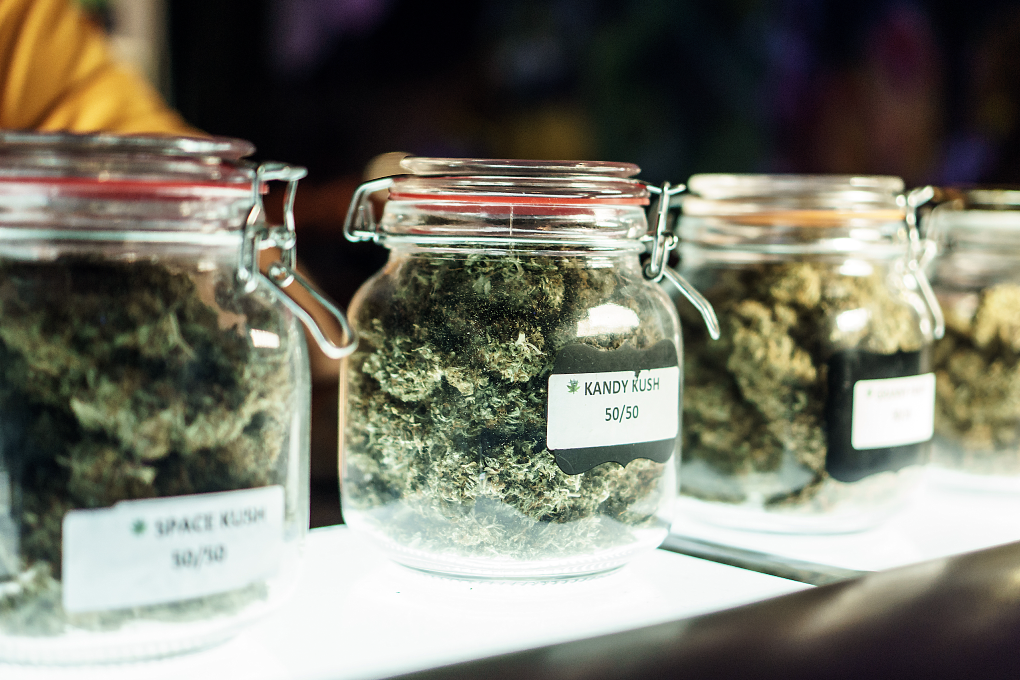
For a long time, THC percentage functioned as the headline number on many cannabis menus. Consumers compared products by potency, retailers organized shelves around the number, and some producers felt pressure to deliver increasingly high test results. The assumption was simple: more THC meant a better product and better value.
That assumption is beginning to lose its hold. More consumers are recognizing that potency is only one part of cannabis quality. Aroma, freshness, cultivation practices, postharvest handling, consistency, cleanliness, packaging, and accurate information can all shape the experience. A product with a higher THC percentage may be more intoxicating, but that does not automatically make it better grown, better preserved, safer, or more enjoyable.
This changing perspective is important for consumers and businesses. It encourages more thoughtful purchasing decisions and gives producers additional ways to compete. Instead of reducing cannabis to one laboratory result, the market can reward the full chain of work required to create a reliable product.
THC percentage describes the measured concentration of tetrahydrocannabinol and, in many regulated systems, the potential THC contributed by THCA after conversion. It is useful information because it helps communicate potency. Public-health guidance emphasizes that higher concentrations can produce stronger intoxicating effects and increase the risk of overconsumption, particularly for inexperienced consumers.
The number does not measure every quality consumers care about. It cannot directly describe aroma, flavor, smoothness, moisture balance, absence of physical defects, freshness, or consistency from one batch to the next. It also cannot guarantee how a person will experience the product because dose, tolerance, biology, consumption method, and setting all matter.
Potency should therefore be treated as a safety and product-information metric, not a universal ranking system.
When a market rewards THC above everything else, several problems can emerge. Consumers may overlook well-made products with balanced profiles. Retailers may struggle to explain why a lower-potency product costs more. Growers may select genetics and production strategies primarily to maximize test results rather than preserve aroma, resilience, or consistency.
Measurement uncertainty also matters. Cannabis is an agricultural product, and samples from the same batch can vary. Laboratory methods, sampling procedures, moisture calculations, and reporting practices can influence results. Programs such as the National Institute of Standards and Technology Cannabis Laboratory Quality Assurance Program were created because reliable, comparable chemical measurements are important and technically challenging.
This does not mean laboratory results are useless. It means consumers should avoid treating a small difference between two potency numbers as definitive proof that one product is superior.
Freshness is a major component of quality. Cannabis flower contains volatile aromatic compounds that can diminish during storage. Exposure to heat, light, oxygen, and unsuitable humidity can affect aroma, texture, and chemical stability. Packaging and handling therefore matter after the product leaves the cultivation facility.
A freshly packaged product that was dried and stored carefully may offer a more appealing sensory experience than an older product with a higher printed THC value. Consumers can look for packaging dates where available, inspect the condition of legal transparent packaging when permitted, and purchase from businesses that manage inventory responsibly.
Businesses benefit from treating freshness as part of quality control. Proper stock rotation, storage, and accurate online inventory help protect the product and reduce customer disappointment.
Research published in recent years has highlighted aroma as an important predictor of consumer appeal. Cannabis contains terpenes and other volatile compounds that create diverse citrus, floral, earthy, spicy, fruity, pine-like, and fuel-like characteristics. These compounds do not appear in a THC percentage.
Consumers who evaluate aroma are paying attention to the plant's broader chemical and sensory profile. A distinctive aroma may reflect genetics, cultivation, and preservation, while a dull or stale profile may indicate age or poor handling. Aroma cannot prove safety or predict a specific effect, but it provides useful quality information.
This is one reason experienced shoppers often compare complete profiles rather than chasing potency alone.
Quality begins long before a laboratory analyzes a sample. Cultivators manage genetics, plant health, lighting, irrigation, nutrition, temperature, humidity, airflow, pest prevention, and harvest timing. Controlled-environment agriculture allows producers to manage many of these factors, but it requires skilled staff, reliable equipment, sanitation, monitoring, and documentation.
A plant can produce a high THC result while still having deficiencies in appearance, aroma, trim, moisture balance, or consistency. Conversely, a moderate-potency product may reflect exceptional agricultural work and offer characteristics a consumer values more.
Evaluating quality means recognizing cannabis as a crop. Agricultural craftsmanship cannot be reduced to a single cannabinoid measurement.
Harvest is not the end of production. Drying removes moisture and must be managed carefully to limit microbial risk while preserving desirable compounds. Curing and storage can influence aroma, moisture distribution, and product stability. Postharvest research has identified inconsistent drying and storage practices as important sources of variation in cannabis quality.
If these steps are rushed or poorly controlled, a strong crop can lose quality before reaching consumers. Excessively dry flower may become brittle and lose aroma. Excess moisture can create other problems. Heat and oxygen exposure can accelerate degradation.
Consumers rarely see the postharvest process, but they experience the results. Businesses that communicate their quality-control approach can help explain why carefully handled products deserve consideration even when they do not have the highest potency number.
Quality includes safety. Regulated markets commonly require testing for cannabinoids and specified contaminants, although exact requirements vary by state. Depending on the jurisdiction and product, laboratories may screen for pesticides, heavy metals, residual solvents, microbial contaminants, mycotoxins, and other substances.
A visually attractive or high-potency product is not high quality if it fails required safety standards. Consumers should purchase from licensed businesses and review testing information when available. Businesses should make batch-specific records accessible and avoid presenting a potency number without the broader compliance context.
Accurate testing protects consumers and supports legitimate businesses that invest in quality assurance.
Many consumers value products that deliver a predictable experience. Consistency means a product is reasonably similar from one purchase to the next in potency, aroma, appearance, serving size, and overall quality. Achieving that consistency is difficult because cannabis is biological and naturally variable.
Businesses improve consistency through stable genetics, documented procedures, environmental monitoring, staff training, laboratory testing, and careful inventory controls. For manufactured products, formulation and production controls are especially important because consumers rely on labeled serving sizes.
A consistent moderate-potency product can be more useful to a consumer than an unpredictable high-potency one. Reliability supports informed decisions and repeat purchasing.
Packaging serves regulatory and practical purposes. Child resistance, tamper evidence, warnings, and label information support responsible sale. The container also protects the product from environmental exposure.
Opaque or UV-resistant materials may reduce light exposure. Airtight closures can limit oxygen exchange. Appropriate container size can reduce excess air space. The best approach depends on the product, local rules, and shelf-life expectations.
Consumers should follow storage instructions, keep products secured away from children and pets, and avoid heat or direct sunlight. Quality can decline after purchase if the product is stored poorly.
Moving beyond THC does not mean assuming the most expensive product is best. Prices reflect taxes, licensing, production costs, branding, supply, competition, and retail strategy. Premium positioning can be justified by careful production, but marketing alone is not proof of quality.
Consumers can compare the information supporting the price. Is the batch recent? Are test results available? Does the producer explain cultivation and handling practices without making unsupported claims? Is the retailer storing and presenting the product responsibly? Do reviews show consistent experiences?
Value is personal. A lower-priced product may meet a consumer's needs, while another shopper may prioritize craft production or a specific aromatic profile. The goal is informed choice, not replacing one simplistic ranking with another.
These steps provide a broader framework than choosing whichever product displays the largest THC percentage.
Consumer interest in quality creates opportunities for brands that invest in agriculture, postharvest handling, testing, packaging, and education. It allows smaller or craft-oriented producers to explain their value without competing only on potency. It also encourages retailers to train staff and improve product descriptions.
The shift requires honesty. Businesses should not replace THC hype with terpene hype, unsupported wellness claims, or vague premium language. Quality should be supported by measurable practices, consistent results, and transparent communication.
Technology can help by connecting batch data, menus, reviews, and educational content. Accurate digital information gives consumers a fuller picture before they purchase.
THC percentage remains important, but it is one chapter of a larger product story. Quality begins with genetics and cultivation, continues through harvest, drying, curing, testing, packaging, distribution, retail storage, and consumer handling. Weakness at any stage can affect the final product.
More consumers are choosing quality over maximum THC because they understand that a bigger number cannot guarantee freshness, aroma, cleanliness, craftsmanship, or consistency. They are asking better questions and rewarding businesses that provide better answers.
This change supports a healthier marketplace. It encourages responsible potency decisions, recognizes agricultural skill, and creates competition around the factors that genuinely shape product quality. The best product is not automatically the one with the highest THC percentage. It is the one that is safe, accurately represented, carefully made, properly preserved, and appropriate for the consumer choosing it.
(Sources: Centers for Disease Control and Prevention | National Institute of Standards and Technology | National Institutes of Health | National Library of Medicine | Journal of Cannabis Research)

